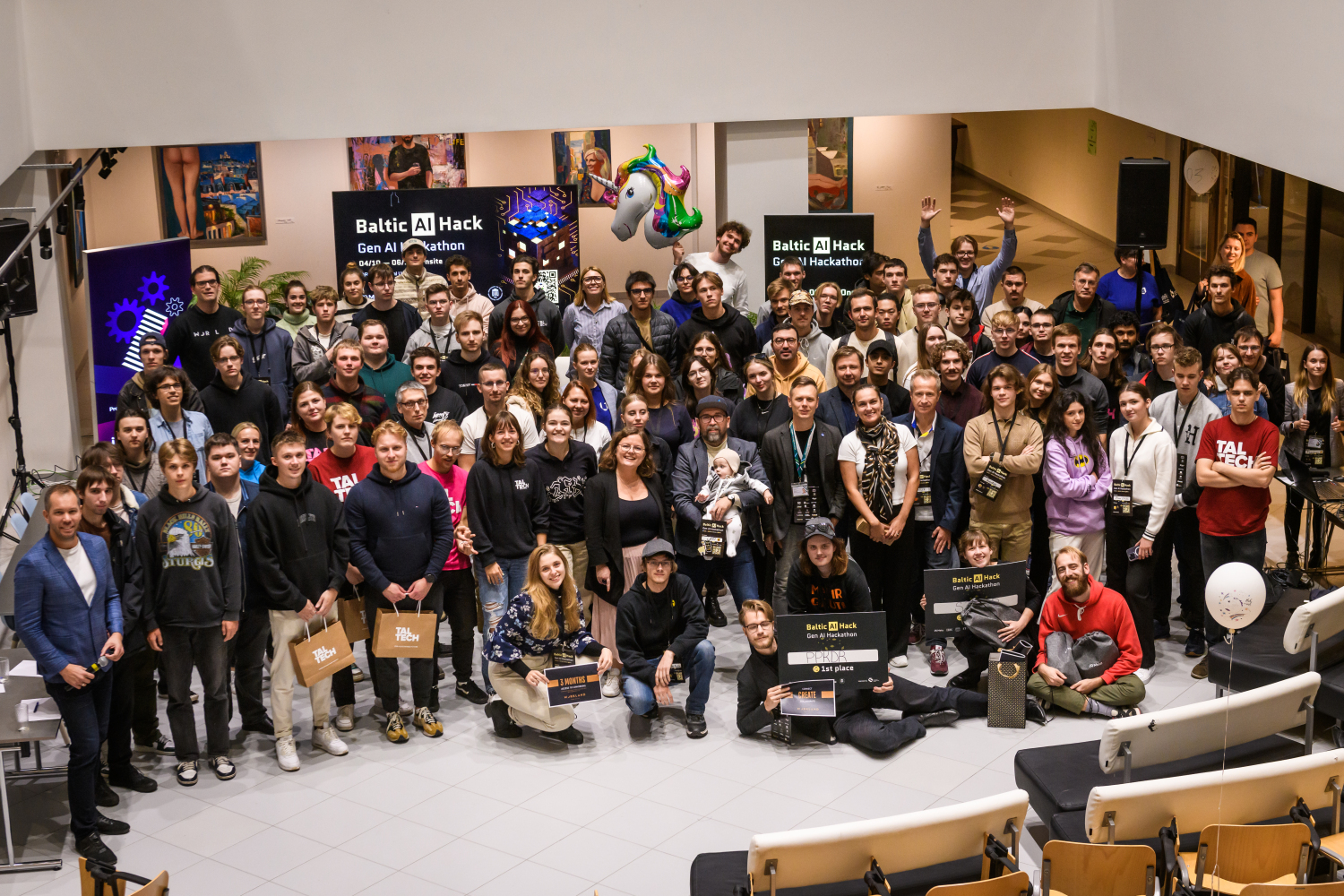
Hackathons and bootcamps create a rare kind of energy. Teams form fast, ideas turn into working prototypes in a couple of days, and the final pitches are often surprisingly strong. Then the event ends, everyone goes home, and many promising projects quietly disappear.
After running and judging many hackathons, we have learned that the outcome is decided long before the opening keynote. Here is what we plan up front so the event keeps creating value after the last pitch.
1. Challenges that someone actually owns
Every challenge should have a challenge owner from the organising company or partner: a person with a real problem, real data and the mandate to take a good solution further. Vague themes produce vague results. A specific challenge with an owner produces something that can be adopted.
2. Mentors who unblock, not lecture
The best mentors spend their time walking between teams, asking sharp questions and helping them cut scope. We brief mentors on each challenge and schedule check-ins, so no team spends half the event stuck on the wrong problem.
3. Judging criteria that match the goal
If the goal is adoption, judge for feasibility and fit with the challenge owner, not just for the most polished pitch. Publishing the criteria at the start shapes what teams build.
4. A plan for day after
Before the event, agree what winners get beyond a prize: a follow-up workshop, a paid pilot, access to data or a place in an incubation track. Teams need a clear path, and challenge owners need time reserved to follow up.
5. One place to run it all
Registrations, team building, challenge briefs, mentor scheduling, submissions and judging quickly become a spreadsheet nightmare. We run our programmes on HackTribe, our own platform, so organisers, participants, mentors and jury work in one place and nothing gets lost after the event.
Planning a hackathon or bootcamp? Book a free intro call and we will help you design it for outcomes, not just a great pitch day.